Updated on 2026/03/10

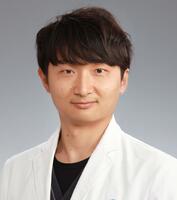
写真a

 
Nounaka Yohei
 
Affiliation
Chibahokusoh Hospital, Department of Neurological Surgery, Assistant Professor
Title
Assistant Professor
Contact information

メールアドレス
External link

Research Areas

  • Life Science / Neurosurgery

Research History

  • 日本医科大学脳神経外科

    2019.4

      More details

Papers

  • Cavernous internal carotid artery aneurysm treated with superficial temporal artery–middle cerebral artery bypass and cervical internal carotid artery ligation using intraoperative middle cerebral artery pressure monitoring: illustrative case

    Hiroaki Fujita, Fumihiro Matano, Yohei Nounaka, Asami Kubota, Yasuo Murai

    Journal of Neurosurgery: Case Lessons   2026.1

     More details

    Publishing type:Research paper (scientific journal)  

    DOI: 10.3171/CASE25630

    researchmap

  • Shunt-related internal carotid artery dissection during carotid endarterectomy: illustrative cases

    Ikuo Yamamoto, Tadashi Higuchi, Koshiro Isayama, Fumihiro Matano, Yohei Nounaka, Minoru Ideguchi, Ryuta Nakae, Akio Morita, Yasuo Murai

    Journal of Neurosurgery: Case Lessons   2025.12

     More details

    Publishing type:Research paper (scientific journal)  

    DOI: 10.3171/CASE25697

    researchmap

  • Coexistence Tumor of Craniopharyngioma and Pituitary Neuroendocrine Tumor: A Case Report and Literature Review. International journal

    Yohei Nounaka, Fumihiro Matano, Koshiro Isayama, Keiko Tomiyama, Chie Inomoto, Robert Y Osamura, Shigeyuki Tahara, Yasuo Murai

    Cureus   17 ( 9 )   e93606   2025.9

     More details

    Language:English   Publishing type:Research paper (scientific journal)  

    Acromegaly most commonly results from excess growth hormone (GH) produced by pituitary neuroendocrine tumors (PitNETs). Craniopharyngioma (CP) is an uncommon suprasellar tumor characterized by cystic change and calcification. The true coexistence of PitNET and CP is rare and poses diagnostic and operative challenges, particularly when lesions are spatially separated. A 72-year-old man was referred for a pituitary mass and clinical features suggestive of acromegaly (enlarged extremities, prominent supraorbital ridge, and jaw enlargement) without headache or visual complaints. MRI demonstrated two distinct lesions: a heterogeneous, mainly cystic suprasellar mass measuring 2.2×1.2×1.2 cm compressing the optic chiasm and extending toward the third ventricle, and a separate 1.7×1.2×1.1 cm intrasellar lesion extending into the sphenoid sinus. CT showed calcification within the suprasellar lesion. Baseline hormones revealed elevated GH (7.60 ng/mL) and IGF-1 (388 ng/mL; +5.7 SD) with inadequate GH suppression on oral glucose tolerance testing (nadir GH 2.68 ng/mL). An endoscopic endonasal transsphenoidal approach was undertaken. Intraoperatively, a white, soft intrasellar tumor breaching the dura and protruding into the sphenoid sinus was removed, and a separate, highly calcified suprasellar tumor was internally decompressed and dissected free; no macroscopic continuity was identified. Histopathology showed a densely granulated mixed somatotroph-lactotroph PitNET (immunoreactive for GH, prolactin, Pit-1, and alpha subunit; CAM5.2 perinuclear pattern <70%; Ki-67 <1%) and an adamantinomatous CP with wet keratin and calcified nests. Postoperatively, GH fell to 0.36 ng/mL and IGF-1 to 166 ng/mL (+1.2 SD). Transient diabetes insipidus occurred and was controlled with desmopressin. The patient was discharged without new neurological deficits, and an MRI at four months showed no recurrence. This case underscores the value of recognizing "separated" coexistence of CP and PitNET, in which discrepant imaging features (calcified, cystic suprasellar mass versus enhancing intrasellar lesion) can suggest dual pathology before surgery. Clear preoperative identification facilitates tailored resection strategies, allows focused manipulation of each lesion, and helps balance the competing priorities of gross-total removal and preservation of pituitary-hypothalamic function. Early biochemical remission of acromegaly and an uncomplicated radiographic course support the efficacy and safety of an endoscopic endonasal approach in selected patients. When intra- and suprasellar lesions demonstrate discordant radiologic characteristics in a patient with biochemical acromegaly, concomitant CP and PitNET should be considered. Distinguishing separated from admixed disease preoperatively can guide operative planning and reduce morbidity. Targeted endoscopic resection achieved prompt hormonal normalization and radiographic disease control in this patient, emphasizing the importance of individualized, anatomy-driven management and vigilant postoperative endocrine and imaging follow-up.

    DOI: 10.7759/cureus.93606

    PubMed

    researchmap

  • Head Mounted Three-Dimensional High-Definition Display System for Microscopic Surgical Field Observation: An Observational Study

    Yohei Nounaka, Fumihiro Matano, Katsuya Umeoka, Asami Kubota, Narumi Matsumoto, Tadashi Higuchi, Hiroki Umezawa, Takeshi Matsunobu, Takao Kitamura, Yutaka Igarashi, Ryuta Nakae, Shoji Yokobori, Yasuo Murai

    World Neurosurgery   2025.9

     More details

    Publishing type:Research paper (scientific journal)  

    DOI: 10.1016/j.wneu.2025.124256

    researchmap

  • Association Between Statin Use and Risk of Subarachnoid Hemorrhage: A Case-Control Study Using Large-Scale Claims Data

    Makoto Hagiwara, Ayako Maeda-Minami, Fumihiro Matano, Yohei Nounaka, Yasuo Murai, Akio Morita, Yasunari Mano

    Stroke   2025.9

     More details

    Publishing type:Research paper (scientific journal)  

    DOI: 10.1161/STROKEAHA.124.049997

    researchmap

  • Acute epidural hematoma extending bilaterally and infratentorially: illustrative case

    Taisei Aoki, Tadashi Higuchi, Yohei Nounaka, Fumihiro Matano, Ryuta Nakae, Yutaka Igarashi, Shoji Yokobori, Yasuo Murai

    Journal of Neurosurgery: Case Lessons   2025.3

     More details

    Publishing type:Research paper (scientific journal)  

    DOI: 10.3171/CASE24756

    researchmap

  • Revascularization with superficial temporal artery-middle cerebral artery anastomosis in spontaneous intracranial internal carotid artery dissection: illustrative case. International journal

    Yohei Nounaka, Fumihiro Matano, Hiroaki Fujita, Koshiro Isayama, Minoru Ideguchi, Yasuo Murai

    Journal of neurosurgery. Case lessons   8 ( 21 )   2024.11

     More details

    Language:English   Publishing type:Research paper (scientific journal)  

    BACKGROUND: Because of ischemic symptoms, intracranial internal carotid artery (IICA) dissection has no established treatment guidelines. The authors report a case of IICA dissection in which an emergency superficial temporal artery-middle cerebral artery (STA-MCA) bypass was performed. OBSERVATIONS: A 46-year-old woman presented with a headache and left hemiplegia. Her cortical symptoms appeared on day 10, and an STA-MCA bypass was performed because of cerebral hypoperfusion. Her postoperative patency was good, and cortical symptoms improved. Contrast-enhanced magnetic resonance imaging (MRI) was performed in the acute phase with wall contrast. From day 18, the internal carotid artery delineation improved, and the patient was transferred for rehabilitation without worsening symptoms. A literature review of spontaneous IICA dissection with revascularization procedures was conducted to discuss the indications, timing, treatment modalities, and surgical outcomes. LESSONS: The STA-MCA bypass provides supplemental cerebral blood flow and can prevent critical complications. Contrast-enhanced MRI in the acute phase of dissection can show a wall contrast effect and assist in predicting disease progression. https://thejns.org/doi/10.3171/CASE24332.

    DOI: 10.3171/CASE24332

    PubMed

    researchmap

  • The Second-Set Surgeries for Multiple Unruptured Aneurysms Do Not Increase Perioperative Complications

    Yohei Nounaka, Kazutaka Shirokane, Fumihiro Matano, Kenta Koketsu, Asami Kubota, Akio Morita, Yasuo Murai

    Neurosurgery Practice   2024.9

     More details

    Publishing type:Research paper (scientific journal)  

    DOI: 10.1227/neuprac.0000000000000100

    researchmap

  • Pathological Findings of Donor Vessels in Bypass Surgery. Reviewed International journal

    Yohei Nounaka, Yasuo Murai, Asami Kubota, Atsushi Tsukiyama, Fumihiro Matano, Kenta Koketsu, Akio Morita

    Journal of clinical medicine   13 ( 7 )   2024.4

     More details

    Authorship:Lead author   Language:English   Publishing type:Research paper (scientific journal)  

    (1) Background Cerebral revascularization is necessary to treat intracranial arterial stenosis caused by moyamoya disease, atherosclerosis, or large complex aneurysms. Although various donor vascular harvesting methods have been reported safe, there are no reports on the histological evaluation of donor vessels for each disease, despite the variety of diseases wherein vascular anastomosis is required. (2) Methods Pathological findings of the superficial temporal artery (STA), radial artery (RA), occipital artery (OA), and saphenous vein (SV) harvested at the institution were analyzed. Patients classified according to aneurysm, atherosclerosis, and moyamoya disease were assessed for pathological abnormalities, medical history, age, sex, smoking, and postoperative anastomosis patency. (3) Results There were 38 cases of atherosclerosis, 15 cases of moyamoya disease, and 30 cases of aneurysm in 98 donor vessels (mean age 57.2) taken after 2006. Of the 84 STA, 11 RA, 2 OA, and 1 SV arteries that were harvested, 71.4% had atherosclerosis, 11.2% had dissection, and 10.2% had inflammation. There was no significant difference in the proportion of pathological findings according to the disease. A history of hypertension is associated with atherosclerosis in donor vessels. (4) Conclusions This is the first study to histologically evaluate the pathological findings of donor vessels according to disease. The proportion of dissection findings indicative of vascular damage due to surgical manipulation was not statistically different between the different conditions.

    DOI: 10.3390/jcm13072125

    Scopus

    PubMed

    researchmap

  • RNF213-Related Vasculopathy: Various Systemic Vascular Diseases Involving RNF213 Gene Mutations: Review.

    Yasuo Murai, Fumihiro Matano, Asami Kubota, Yohei Nounaka, Eitaro Ishisaka, Kazutaka Shirokane, Kenta Koketsu, Ryuta Nakae, Tomonori Tamaki

    Journal of Nippon Medical School = Nippon Ika Daigaku zasshi   91 ( 2 )   140 - 145   2024

     More details

    Language:English  

    Moyamoya disease (MMD) is a cerebrovascular disorder that is predominantly observed in women of East Asian descent, and is characterized by progressive stenosis of the internal carotid artery, beginning in early childhood, and a distinctive network of collateral vessels known as "moyamoya vessels" in the basal ganglia. Additionally, a prevalent genetic variant found in most MMD cases is the p.R4810K polymorphism of RNF213 on chromosome 17q25.3. Recent studies have revealed that RNF213 mutations are associated not only with MMD, but also with other systemic vascular disorders, including intracranial atherosclerosis and systemic vascular abnormalities such as pulmonary artery stenosis and coronary artery diseases. Therefore, the concept of "RNF213-related vasculopathy" has been proposed. This review focuses on polymorphisms in the RNF213 gene and describes a wide range of clinical and genetic phenotypes associated with RNF213-related vasculopathy. The RNF213 gene has been suggested to play an important role in the pathogenesis of vascular diseases and developing new therapies. Therefore, further research and knowledge sharing through collaboration between clinicians and researchers are required.

    DOI: 10.1272/jnms.JNMS.2024_91-215

    Scopus

    PubMed

    researchmap

  • Wrapping method for better fat handling in endoscopic trans-sphenoidal surgery. International journal

    Fumihiro Matano, Shigeyuki Tahara, Yujiro Hattori, Yohei Nounaka, Koshiro Isayama, Akira Teramoto, Akio Morita

    Surgical neurology international   15   390 - 390   2024

     More details

    Language:English   Publishing type:Research paper (scientific journal)  

    BACKGROUND: Fat is commonly used for preventing cerebrospinal fluid (CSF) leakage during endoscopic transsphenoidal surgery (ETSS). However, fat is soft, slippery, and sometimes not easy to handle. The present study aimed to examine the efficacy of our Surgicel® wrapping method, which allows for better fat handling, in preventing the occurrence of CSF leakage among patients undergoing ETSS. METHODS: We used fat tissues removed from the abdomen. The fat was cut with scissors into pieces that were approximately 5 mm in size. Surgicel® was also cut into 2.5 cm2. The fat tissues were encased with these Surgicel® squares and slightly moistened with a saline solution. RESULTS: Between January 2023 and August 2024, 34 patients aged 18-86 years (average 54.9 years) underwent ETSS. Among these patients, 20 had pituitary tumors, 6 had Rathke's cysts, and 8 had other conditions. None of the patients had CSF leakage postoperatively. The use of Surgicel®-wrapped fat during ETSS is better than the use of fat alone. CONCLUSION: The Surgicel® wrapping method allows for better fat handling during ETSS.

    DOI: 10.25259/SNI_626_2024

    PubMed

    researchmap

  • Experience using gentian violet-free dyes for tissue visualization. International journal

    Fumihiro Matano, Yasuo Murai, Yohei Nounaka, Tadashi Higuchi, Riku Mihara, Koshiro Isayama, Akio Morita

    Journal of neurological surgery. Part A, Central European neurosurgery   2023.9

     More details

    Language:English   Publishing type:Research paper (scientific journal)  

    Gentian violet ink is used as a skin marker in various surgical procedures, including neurosurgery. The dye is also used to visualize the edges of blood vessels during bypass surgery. However, gentian violet ink carries the risks of carcinogenicity and venous injury, which causes microvascular thrombosis. Objective The objective of this study was to compare the gentian violet-free dye C.I. Basic Violet 4 (BV4) and gentian violet. The usefulness, in terms of color, and the formation of microvascular thrombosis in anastomosis were compared. Methods We used the gentian violet-free dye in 20 cases involving 3 vascular anastomoses. The bone cutting lines on the bone surface, superior temporal artery, and middle cerebral artery were drawn using BV4 and gentian violet ink. Results The colors of BV4 and gentian violet ink were similar. No thrombus formation was observed at the vascular anastomosis when using BV4. Conclusion BV4 can be used similarly to gentian violet ink. No adverse effects such as thrombus formation in microvascular anastomosis were experienced using BV4.

    DOI: 10.1055/a-2175-3295

    Scopus

    PubMed

    researchmap

  • Spontaneous middle cerebral artery dissection: a series of six cases and literature review Reviewed

    Yohei Nounaka, Yasuo Murai, Kazutaka Shirokane, Fumihiro Matano, Kenta Koketsu, Ryuta Nakae, Akira Watanabe, Takayuki Mizunari, Akio Morita

    Neurosurgical Review   46 ( 1 )   2023.9

     More details

    Authorship:Lead author   Publishing type:Research paper (scientific journal)   Publisher:Springer Science and Business Media LLC  

    Middle cerebral artery (MCA) dissection is rare, and various clinical presentations, including hemorrhage, ischemia, or comorbidities, and the changes in imaging findings over time hinder treatment decisions. The European Stroke Organization guidelines exclude MCA dissection. Few cases have been reported with no review of the relevant literature. Therefore, we reviewed the relevant literature and our own experience with non-traumatic MCA dissection cases to determine appropriate treatment strategies. At our institution and affiliated institutions, we encountered six cases of MCA dissection—five with infarction and one with hemorrhage. Two patients underwent revascularization, and one underwent an aneurysmectomy. We reviewed English and Japanese articles in PubMed and Medical Journal Web and summarized the results based on the relationships among age, sex, location, the presence of an aneurysm, the presence of angiography, history, treatment, and mode of onset. The clinical course, changes in imaging, treatment strategies, and prognosis were discussed. Eighty cases were included in the review. Cerebral aneurysms were more common distal to the M2 area (p = 0.00) and were correlated with hemorrhage (p < 0.001). Most hemorrhagic cases with aneurysms were treated surgically, while ischemic cases were treated with antithrombotic agents, and both had a similar neurological prognosis. There were some cases of rebleeding after antithrombotic therapy, especially in older adults. Surgical treatment is recommended in cases of hemorrhage and confirmed aneurysms, particularly for lesions distal to the M2 area. Patients with aneurysm-associated ischemia should be followed up, and antithrombotic treatment should be considered with particular care in older adults.

    DOI: 10.1007/s10143-023-02139-5

    Scopus

    PubMed

    researchmap

    Other Link: https://link.springer.com/article/10.1007/s10143-023-02139-5/fulltext.html

  • Usefulness of 4K-resolution Indocyanine Green Endoscope for the Removal of Spontaneous Intracerebral Hematomas. Reviewed

    Yohei Nounaka, Shigeyuki Tahara, Kazuma Sasaki, Akio Morita

    Neurologia medico-chirurgica   63 ( 1 )   37 - 41   2023

     More details

    Authorship:Lead author   Language:English   Publishing type:Research paper (scientific journal)  

    Indocyanine green (ICG) is a cyanine dye useful for visualizing blood vessels; it has been developed for endoscopy and is used in skull base surgery. Endoscopy is widely used for hematoma removal after an intracerebral hemorrhage since it is minimally invasive and has a shorter operation time than craniotomy. However, with this technique the surgical field is limited and it is difficult to obtain an adequate orientation; thus, it is challenging to locate the bleeding point, and postoperative rebleeding has been reported. We performed intraoperative ICG near-infrared fluorescence imaging to locate the bleeding point. This purpose of this study was to evaluate the usefulness of ICG angiography during endoscopic hematoma removal in two patients, using two endoscope types and comparing their visualization of perforating branches during the procedure. ICG angiography was performed in two different cases of putaminal hemorrhage, using the SPIES NIR/ICG-System and IMAGE1 S Rubina (both KARL STORZ, Tuttlingen, Germany) at the intraoperative bleeding site. The intraoperative use of ICG allowed the clear visualization of the perforating branches and real-time confirmation of active bleeding. We could also distinguish an old hematoma from the active bleeding point. The IMAGE1 S Rubina has adequate brightness for contrast enhancement, allowing surgical manipulation simultaneously to the enhancement phase.ICG fluorescence angiography is useful to identify the damaged vessel and perform hemostasis. We expect other similar devices to be developed in the future, accompanied by flexible and thin rigid endoscopes.

    DOI: 10.2176/jns-nmc.2022-0135

    Scopus

    PubMed

    researchmap

  • Evaluation of Ethyl Violet as an Alternative Dye to Crystal Violet to Visualize the Vessel Wall during Vascular Anastomosis.

    Yasuo Murai, Fumihiro Matano, Koshiro Isayama, Yohei Nounaka, Akio Morita

    Neurologia medico-chirurgica   62 ( 11 )   530 - 534   2022.9

     More details

    Language:English   Publishing type:Research paper (scientific journal)  

    Crystal violet (CV) ink has been used as a skin marker worldwide. It has been reported to be useful for vessel wall visualization of microvascular anastomoses. Contrastingly, it has been found to be carcinogenic and inhibit migration and proliferation of venous cells. In some countries, its use in the medical field has been restricted. Therefore, it is necessary to consider alternatives to CV. In this present study, we compared the time required for the anastomosis of a 0.8-1 mm diameter vessel in the chicken wrist artery using CV and a CV-free dye (ethyl violet; EV). The surgeon, microscope, and anastomosis microsurgical tools were standardized for comparison. CV and EV were changed for each anastomosis. The same surgeon performed 30 anastomoses using each dye. No visually obvious differences were noted in the vascular transections with CV and EV. As per the results, no statistically significant difference was observed in the time required for anastomosis using CV and EV. EV conforming to California Proposition 65 may be an effective alternative to CV for vascular visualization of microvascular anastomoses. However, further studies on the effectiveness of the EV in clinical cases are needed.

    DOI: 10.2176/jns-nmc.2022-0188

    Scopus

    PubMed

    researchmap

  • Training Model for Brain Tumor Removal (Model TOM Meningioma) Reviewed

    Yohei Nounaka, Hiroshi Tenjin, Yoshio Okano, Akio Morita

    Neurosurgery Open   3 ( 1 )   2022.2

     More details

    Authorship:Lead author   Publisher:Ovid Technologies (Wolters Kluwer Health)  

    With the development of stereotactic radiotherapy, opportunities to perform craniotomies for brain tumors under a microscope are decreasing, making it difficult to learn surgical techniques in clinical practice. For safety and ethical reasons, it is useful to create a brain tumor training model for hands-on practice. We created a sphenoidal ridge meningioma model with the following parameters: (1) the location of the tumor should be distinguishable using neuronavigation, (2) the feeding artery should allow for confirmation and hemostasis, (3) the tumor and brain should be properly adherent and dissectable, and (4) the tumor can be decompressed and removed using an ultrasonic surgical device. We created the model out of polyvinyl alcohol and produced a mold using a 3-dimensional printer. Thirteen young neurosurgeons used these models, and a questionnaire survey was conducted. It was possible to train neurosurgeons for tumor removal using this model. The results of the questionnaire showed that the model, usefulness of the clinical application, and willingness to participate again were highly rated. This model was created to practice procedures with realty and designed to be visualized by navigation systems, to be removed with ultrasonic surgical instruments, and to be dissected using microinstruments. This model is useful to learn surgical techniques and strategies and to test and develop new surgical equipment. Training using a brain tumor model should be good off-the-job training for young neurosurgeons.

    DOI: 10.1227/neuopn.0000000000000003

    J-GLOBAL

    researchmap

  • 出血を繰り返した視神経膠腫の一例

    立山 幸次郎, 能中 陽平, 廣中 浩平, 足立 好司, 大橋 隆治, 森田 明夫

    Brain Tumor Pathology   37 ( Suppl. )   129 - 129   2020.8

     More details

    Language:Japanese   Publisher:日本脳腫瘍病理学会  

    J-GLOBAL

    researchmap

▼display all

Misc.

  • Optimization of Preoperative Evaluation and Surgical Technique in the Transpetrosal Approach

    亦野文宏, 能中陽平, 青木大征, 團裕之, 樋口直司, 喜多村孝雄, 鶴谷美紅, 園田翼, 阿部信祐, 三原陸, 梅岡克哉, 久保田麻沙美, 諌山晃史郎, 石坂栄太郎, 築山敦, 村井保夫

    日本頭蓋底外科学会プログラム・抄録集   37th   2025

  • 月型眼窩骨削除を併用した前中頭蓋底への経眼窩法手術の開発

    能中 陽平, 亦野 文宏, 村井 保夫

    日本医科大学医学会雑誌   19 ( 4 )   399 - 399   2023.12

     More details

    Language:Japanese   Publisher:日本医科大学医学会  

    J-GLOBAL

    researchmap

  • Eyebrow incision with a crescent-shaped orbital rim craniotomy for microscopic and endoscopic transorbital approach to the anterior and middle cranial fossa: A cadaveric study and case presentation

    亦野文宏, 田原重志, 能中陽平, 藤田寛明, 村井保夫

    日本神経内視鏡学会プログラム・抄録集   30th   2023

  • 脳腫瘍モデルを用いた腫瘍摘出術トレーニング(model TOM)

    能中 陽平, 森田 明夫

    日本医科大学医学会雑誌   18 ( 4 )   461 - 461   2022.12

     More details

    Language:Japanese   Publisher:日本医科大学医学会  

    J-GLOBAL

    researchmap

  • 上矢状静脈洞の左右、さらにテント下に及んだ急性硬膜外血腫の一例

    能中 陽平, 村井 保夫, 三原 陸, 五十嵐 豊, 樋口 直司, 横堀 将司, 森田 明夫

    日本脳神経外傷学会プログラム・抄録集   45回   190 - 190   2022.1

     More details

    Language:Japanese   Publisher:(一社)日本脳神経外傷学会  

    J-GLOBAL

    researchmap

  • 脳腫瘍摘出トレーニングモデルを用いた手術教育(Model TOM)

    能中陽平, 天神博志, 岡野仁夫, 森田明夫

    日本脳腫瘍の外科学会プログラム・抄録集   27th   2022

  • 内視鏡下血腫除去術における責任血管同定に対して4K ICG蛍光血管撮影内視鏡が有用であった一例

    能中 陽平, 田原 重志, 石坂 栄太郎, 山口 文雄, 森田 明夫

    日本レーザー医学会誌   42 ( 3 )   202 - 202   2021.9

     More details

    Language:Japanese   Publisher:(NPO)日本レーザー医学会  

    J-GLOBAL

    researchmap

  • 4K ICG Fluorescence Angiography Endoscopy for Safer and More Accurate Hematoma Removal

    能中陽平, 田原重志, 石坂栄太郎, 山口文雄, 森田明夫

    日本神経内視鏡学会プログラム・抄録集   28th   2021

  • テント上遠位部破裂脳動脈瘤に対する脳血管内手術の有用性

    鈴木 雅規, 古川 哲也, 和田 裕美, 立山 幸次郎, 白銀 一貴, 藤木 悠, 能中 陽平, 小南 修史, 足立 好司, 森田 明夫

    脳血管内治療   5 ( Suppl. )   65 - 65   2020.11

     More details

    Language:Japanese   Publisher:(NPO)日本脳神経血管内治療学会  

    researchmap

  • 出血を繰り返した視神経膠腫の一例

    立山 幸次郎, 能中 陽平, 廣中 浩平, 足立 好司, 大橋 隆治, 森田 明夫

    Brain Tumor Pathology   37 ( Suppl. )   129 - 129   2020.8

     More details

    Language:Japanese   Publisher:日本脳腫瘍病理学会  

    J-GLOBAL

    researchmap

  • テント上遠位部破裂脳動脈瘤に対する脳血管内手術の有用性

    鈴木雅規, 古川哲也, 和田裕美, 立山幸次郎, 白銀一貴, 藤木悠, 能中陽平, 小南修史, 足立好司, 森田明夫

    脳血管内治療(Web)   5 ( Supplement )   2020

  • 急性期血栓回収療法後の脳梗塞患者予後予測におけるCTperfusionの有用性

    藤井 教雄, 和出 南, 能中 陽平, 山名 慧, 長山 剛太, 長崎 弘和, 長尾 征弥, 壷井 祥史, 神林 智作

    脳血管内治療   3 ( Suppl. )   S241 - S241   2018.11

     More details

    Language:Japanese   Publisher:(NPO)日本脳神経血管内治療学会  

    researchmap

  • Streptococcus dysagalactiaeによる感染性心内膜炎と盲腸癌を合併した1例

    能中 陽平, 村上 弘之, 根本 隆章

    感染症学雑誌   92 ( 3 )   467 - 468   2018.5

     More details

    Language:Japanese   Publisher:(一社)日本感染症学会  

    researchmap

  • 急性期血栓回収療法後の脳梗塞患者予後予測におけるCTperfusionの有用性

    藤井教雄, 和出南, 能中陽平, 山名慧, 長山剛太, 長崎弘和, 長尾征弥, 壷井祥史, 神林智作

    脳血管内治療(Web)   3 ( Supplement )   2018

  • S.dysagalactiaeによる感染性心内膜炎と盲腸癌を合併した一例

    能中陽平, 村上弘之, 根本隆章

    日本感染症学会東日本地方会学術集会・日本化学療法学会東日本支部総会合同学会プログラム・抄録集   66th-64th   2017

▼display all